







Key Highlights
- Manufacturing facilities with high daytime energy demands see the fastest return on investment.
- Warehousing and logistics centres utilise vast roof spaces to generate significant surplus energy.
- Retail complexes can lower high air conditioning costs through consistent solar power generation.
- Accessing a solar panel loan allows companies to preserve cash flow while upgrading their energy infrastructure.
Introduction
Nowadays, many sectors are discovering that green energy is a powerful tool for reducing operational costs. Adopting solar panels for businesses has moved from a niche environmental trend to a mainstream financial strategy. High energy consumption is a common denominator among the most successful industries, and solar power provides a way to hedge against the rising costs of traditional electricity. However, the initial investment can be a hurdle for some enterprises. This is why the availability of a specialised solar panel loan has become a game-changer, allowing companies to pay for their systems using the savings generated from their utility bills. While almost any business with a roof can benefit, certain industries are particularly well-positioned to reap the rewards of solar technology due to their specific energy profiles and space availability.
1. Manufacturing and Heavy Industry
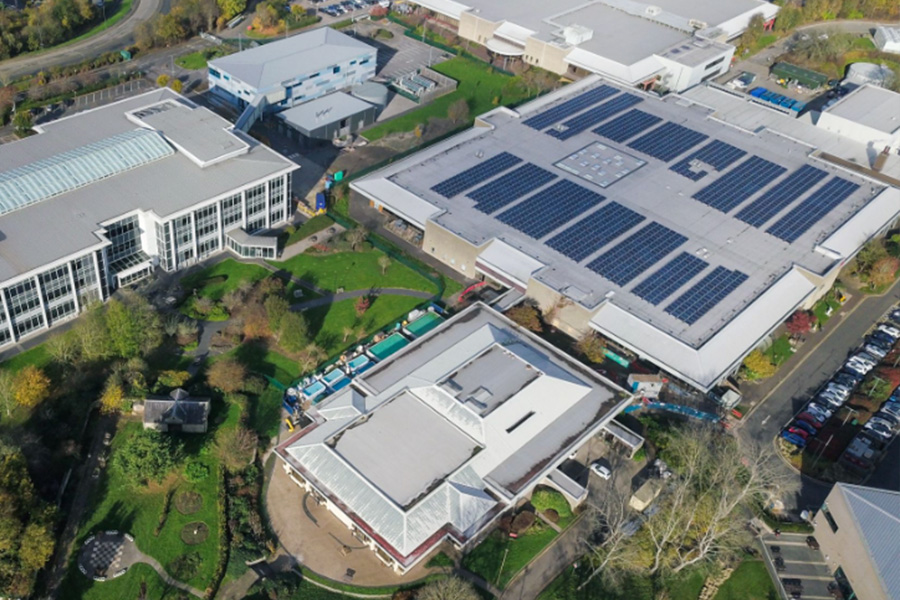
The manufacturing sector is perhaps the greatest beneficiary of solar energy. These facilities typically operate heavy machinery during daylight hours, which perfectly aligns with the peak production times of a solar array. By using solar power directly as it is generated, manufacturers can significantly reduce their “peak demand” charges from the grid. This direct consumption model is the most efficient way to use renewable energy, as it avoids the losses associated with battery storage. Furthermore, many manufacturing plants possess massive, flat roof surfaces that are ideal for large-scale installations. The sheer volume of electricity required in these environments means that even a partial offset by solar can result in hundreds of thousands of pounds in annual savings.
2. The Retail and Hospitality Sector
Shopping malls, large retail outlets, and hotels face unique energy challenges, primarily driven by lighting and climate control. These businesses must maintain a comfortable environment for customers, which often means running air conditioning systems at full blast throughout the day. By installing solar panels, retail businesses can significantly offset these cooling costs. Beyond the financial aspects, the visible presence of solar panels serves as a powerful branding tool. Modern consumers are increasingly drawn to brands that demonstrate a tangible commitment to the environment. Retailers can use their transition to solar as part of their corporate social responsibility reporting, enhancing their reputation while simultaneously protecting their profit margins from volatile energy markets.
3. Warehousing and Cold Storage
Logistics centres and cold storage warehouses are ideal candidates for solar panels for businesses. Cold storage facilities, in particular, require constant refrigeration, making them some of the most energy-intensive buildings per square foot. Since cooling demand often peaks during the hottest part of the day when the sun is strongest, solar energy provides a natural cooling solution. Warehouses also tend to have expansive, unobstructed rooftops that can accommodate thousands of panels. For logistics companies, this generated power can also be used to charge burgeoning fleets of electric delivery vans. The ability to turn a passive asset like a roof into a revenue-generating power plant is an opportunity few warehouse owners can afford to ignore.
Financing the Transition with Green Capital
Despite the clear advantages, the upfront cost of a commercial solar system can be a barrier for companies looking to maintain liquidity. This has led to the rise of the solar panels loan, a financial product specifically designed to bridge the gap between intent and implementation. These loans often feature competitive interest rates and terms that align with the expected energy savings. In many cases, the monthly loan repayment is lower than the previous electricity bill, making the project cash-flow positive from the very first day. By leveraging these financial instruments, businesses can preserve their working capital for core operations while still benefiting from the long-term protection that renewable energy provides. This accessibility ensures that solar technology is no longer reserved for only the largest corporations.
Conclusion
The adoption of solar power is transforming the way industries manage their overheads. From the heavy power needs of manufacturing to the vast roof spaces of the logistics sector, the benefits are clear and measurable. By using solar panels for businesses, companies can take control of their energy future and insulate themselves from price hikes. When combined with a flexible solar panel loan, the path to energy independence becomes accessible to a wide range of enterprises. As technology continues to improve, the competitive advantage held by solar-powered businesses will only continue to grow.
Contact LHN Energy to learn more about our commercial solar solutions and find out how we can assist you with financing your green energy journey.