




Water has always played an important role in the Australian lifestyle. From busy metropolitan households to rural properties and remote communities, access to reliable drinking water influences everyday comfort and long-term planning. Changing weather patterns, population growth, infrastructure pressures, and interest in more independent lifestyles are encouraging people to look beyond conventional water supplies.
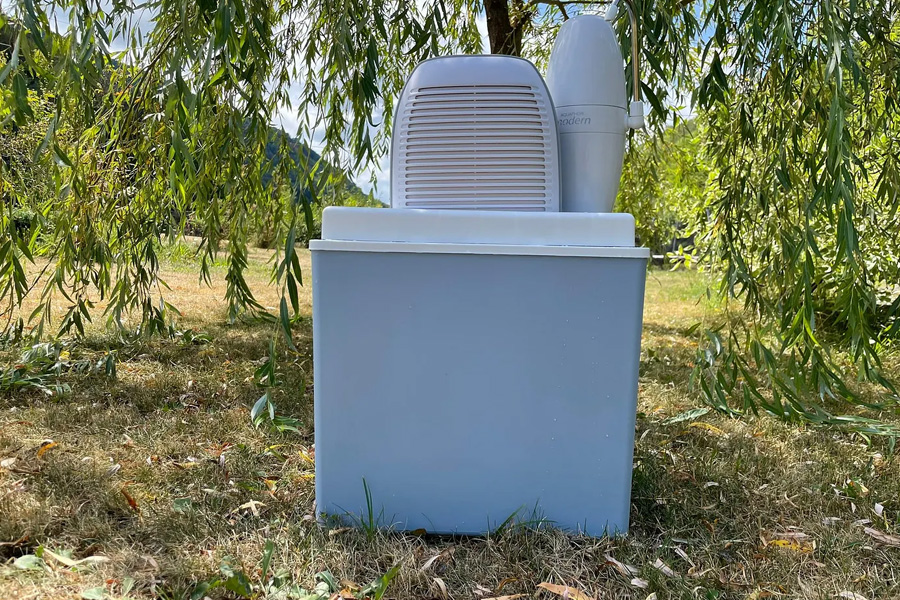
Atmospheric water generators offer an interesting alternative. Instead of collecting rainfall or relying entirely on mains infrastructure, these systems extract moisture already present in the surrounding air and convert it into usable drinking water. Solutions associated with Altitude Water Australia reflect growing interest in technologies that provide another option for households and properties seeking greater control over their water supply.
Turning Humidity Into A Useful Resource
Air contains water vapour even when there is no visible rain or mist. Atmospheric water generators are designed to capture some of this moisture.
The basic process involves drawing surrounding air into the system. Moisture is condensed into liquid water before passing through filtration and treatment stages. The general objective is to convert naturally existing air moisture into potable water, while the precise procedure may differ based on the equipment.
This approach changes the traditional idea of water collection. Rainwater systems depend on rainfall reaching a roof or another catchment surface, while atmospheric systems can potentially operate whenever environmental conditions provide sufficient humidity.
Responding To Australia’s Varied Conditions
Australia has extremely diverse environmental conditions. Coastal communities may experience comparatively high humidity, while inland regions can be much drier. Seasonal changes can also significantly affect the amount of moisture present in the air.
For this reason, atmospheric water generation should not be viewed as producing an identical amount of water every day. Temperature and relative humidity influence performance. Understanding local conditions is therefore an important part of evaluating whether a system is suitable for a particular property.
The growing visibility of solutions such as Altitude Water Australia also highlights a broader shift in thinking. Rather than expecting one water source to meet every requirement, households can consider different technologies as part of a more flexible water strategy.
Supporting Remote And Off-Grid Living
One particularly interesting application is remote living. Properties located far from established infrastructure can face challenges when it comes to dependable drinking water. Extending mains services may be impractical, while transporting bottled water creates an ongoing logistical burden.
An atmospheric water generator can provide another potential source directly where the water is required. This can be particularly attractive for cabins, rural properties, workshops, recreational locations, and other settings where conventional infrastructure is limited.
The technology may also appeal to people building off-grid lifestyles. Solar panels have made independent electricity generation increasingly familiar, while batteries have improved energy storage possibilities. Atmospheric water technology brings a similar independence-focused idea to drinking water.
Complementing Existing Water Systems
Atmospheric water generation does not necessarily have to replace every existing water source. In many situations, its greatest value may come from working alongside established systems.
A rural property, for example, might already use rainwater tanks for household requirements. An atmospheric generator could provide an additional drinking water option. Similarly, a property connected to mains water might use atmospheric generation as part of a broader strategy for diversification and preparedness.
This complementary approach can make technologies such as Altitude Water Australia relevant to more than just completely off-grid properties. People may simply want another method of obtaining drinking water rather than becoming entirely independent from existing infrastructure.
Considering Energy And Operating Conditions
Water production is only one part of the decision. Atmospheric water generators require electricity to draw in air, condense moisture, and operate their treatment components. Prospective users should therefore consider energy consumption alongside expected water output.
Environmental conditions are equally important. Higher humidity generally gives the system more atmospheric moisture to work with, while dry conditions may reduce output or make operation less efficient.
Maintenance also deserves attention. Filters and other treatment components need to be maintained according to manufacturer recommendations. Regular cleaning and servicing help ensure that the system continues operating as intended.
Reducing Dependence On Packaged Drinking Water
Another potential benefit is the ability to produce drinking water at the point of use. Households that frequently purchase packaged water must repeatedly transport, store, and dispose of bottles or containers.
Generating water locally can reduce some of this inconvenience. For remote locations in particular, avoiding frequent trips specifically to replenish drinking water can make daily routines simpler.
It also reflects a wider movement toward producing essential resources closer to where they are consumed. Homes are increasingly generating electricity through rooftop solar systems, growing food in compact gardens, and adopting technologies designed to reduce reliance on centralised resources.
Looking Toward A More Flexible Water Future
Australia’s future water needs are unlikely to be addressed by a single technology. Mains infrastructure, rainwater harvesting, groundwater, desalination, recycling, and emerging technologies can all have roles depending on location and circumstances.
Atmospheric water generation adds another possibility to that mix. Its ability to convert moisture in the surrounding air into drinking water makes it particularly interesting for people exploring greater independence and alternative water sources.
As technologies such as Altitude Water Australia attract attention, the most important consideration remains suitability. Climate, humidity, energy availability, household consumption, maintenance requirements, and expected output should all be evaluated before choosing a system.
For Australians reconsidering where their everyday water comes from, atmospheric water generators introduce a fundamentally different idea: useful drinking water does not always have to arrive through a pipe or fall into a rainwater tank. Sometimes, part of the solution may already be present in the air around us.